The road out of northern New Mexico did not happen all at once. Like most major life decisions, it started quietly, somewhere between long days on the Rio Grande, evenings at Taos Mesa Brewing, and scrolling through fisheries jobs wondering what the next chapter was supposed to look like.
At the time, I seriously considered going into the military. I had looked into becoming an officer and going through Officer Candidate School, mostly because I wanted purpose, structure, and a challenge bigger than myself. But deep down, it felt too early to walk away from fisheries, tribal natural resources, and the education I had spent years building toward. Rivers, fish, habitat work, and tribal environmental programs still felt like where I was supposed to be.
So instead of throwing all of that to the side, I doubled down on it.
The Texas A&M Job Board
Like a lot of fisheries people, that search eventually led me to the Texas A&M job board, the unofficial gathering place for biologists willing to move anywhere with running water and questionable housing. Somewhere in that endless list of positions was a Fish Habitat Biologist opening with the Quileute Tribe in La Push.
At first glance, it almost did not feel real.
La Push might as well have been another planet compared to northern New Mexico. One place was high desert, adobe, piñon smoke, and brown trout streams cutting through sagebrush country. The other was rainforest, salmon, giant spruce trees, and storms rolling in from the Pacific.
But the more I read about the position, the more it felt right. I was already working for the Taos Pueblo, and the opportunity to continue working for another Tribe, learning another culture, another fishery, and another way of life, felt meaningful in a way that went beyond just getting a job.
So I applied.
The Call That Shifted Everything
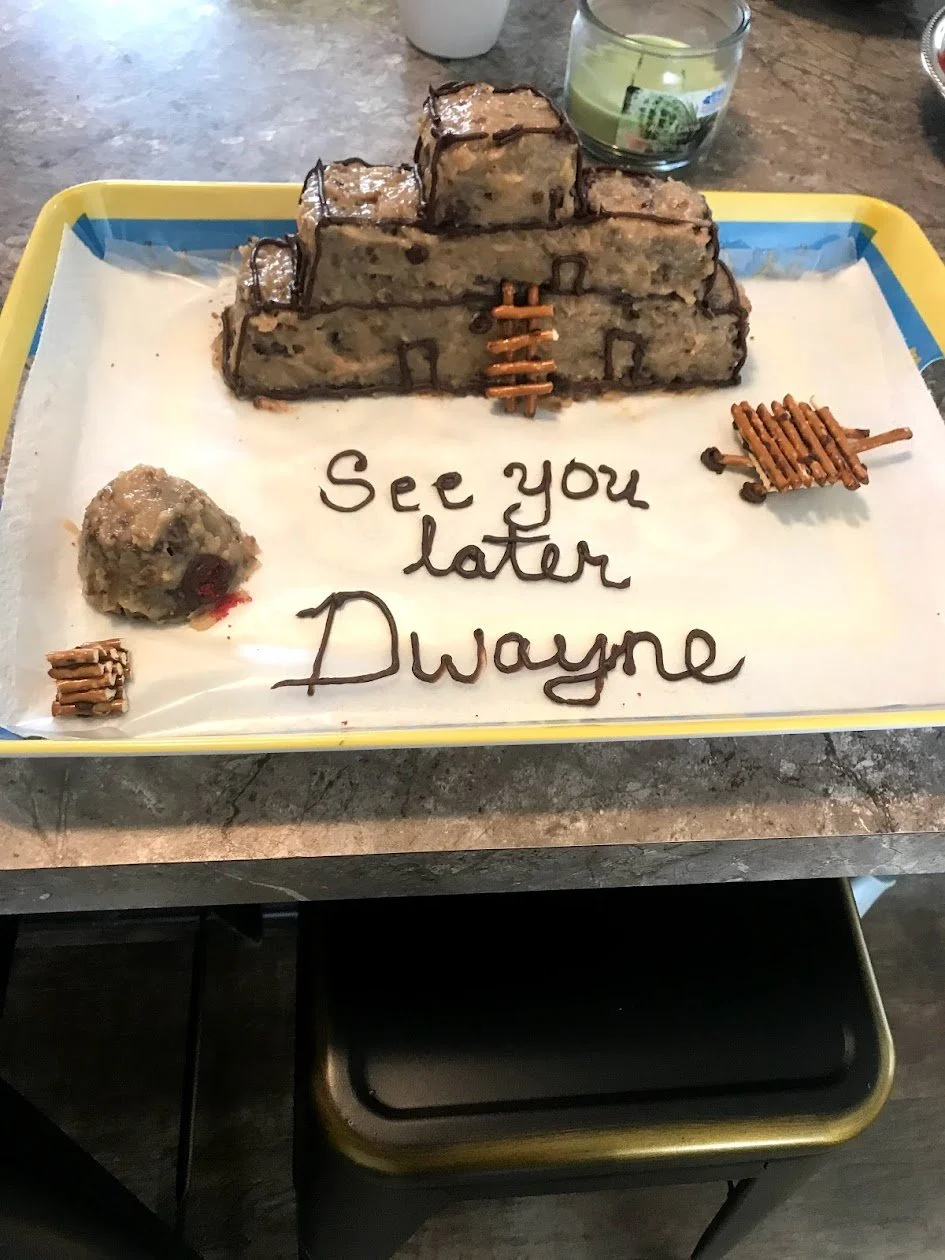
Then came the Friday morning phone call. I still remember it clearly because it immediately shifted my entire world for the next several days. They told me I had been selected for an interview and asked if I could make it to La Push by Tuesday. Not a Zoom interview. Not a phone interview. An in-person interview! Which sounds reasonable until you realize I was sitting in rural northern New Mexico being asked to travel to what, at the time, felt like the absolute edge of the continent.
So naturally, I said yes.
The next few days became a blur of booking flights, scrambling together travel plans, and mentally preparing myself to see the Pacific Northwest for the first time in my life. I knew if I truly wanted the position, I needed to show effort. Fisheries jobs, especially good tribal fisheries jobs, are competitive, and sometimes the difference comes down to showing people how serious you are.
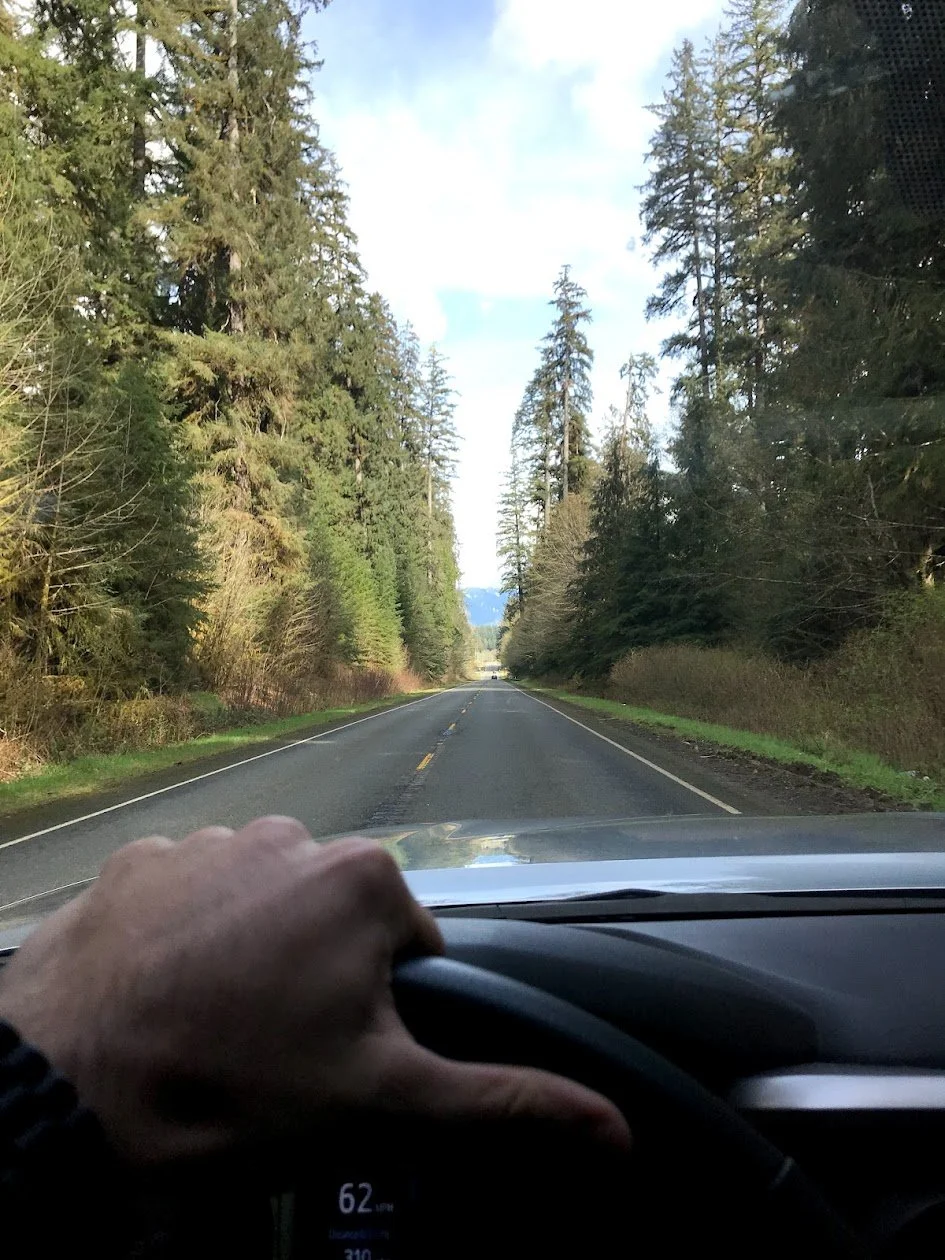
Flying into Seattle felt like landing in another country compared to New Mexico. Everything was green. Not “a few trees by the river” green, actual endless green. Moss hanging off trees, mist floating through the forests, and enough rain to make someone from the Southwest question whether the sun still existed up there. Looking back now, the drive from Seattle to Forks is beautiful. At the time, driving it alone in the middle of the night while exhausted and half-convinced I was going to accidentally drive off a mountain was a completely different experience.
The rain was blowing sideways, the roads twisted endlessly through dark timber, and at one point I became fully convinced there was a cliff immediately beside my vehicle. Turns out it was just Lake Crescent disappearing into darkness next to the highway, but in the moment it felt like I was one missed turn away from becoming part of the lake. Somewhere during that drive, though, the whole thing started to feel exciting instead of terrifying. There is something oddly clarifying about realizing you are completely out of your comfort zone and still continuing forward anyway.
A few days later, I got the call that I had been selected for the position.
Deadman’s Pass and a U-Haul
Then came the even crazier part, packing up my entire life in northern New Mexico and moving to the Olympic Peninsula in the middle of winter.
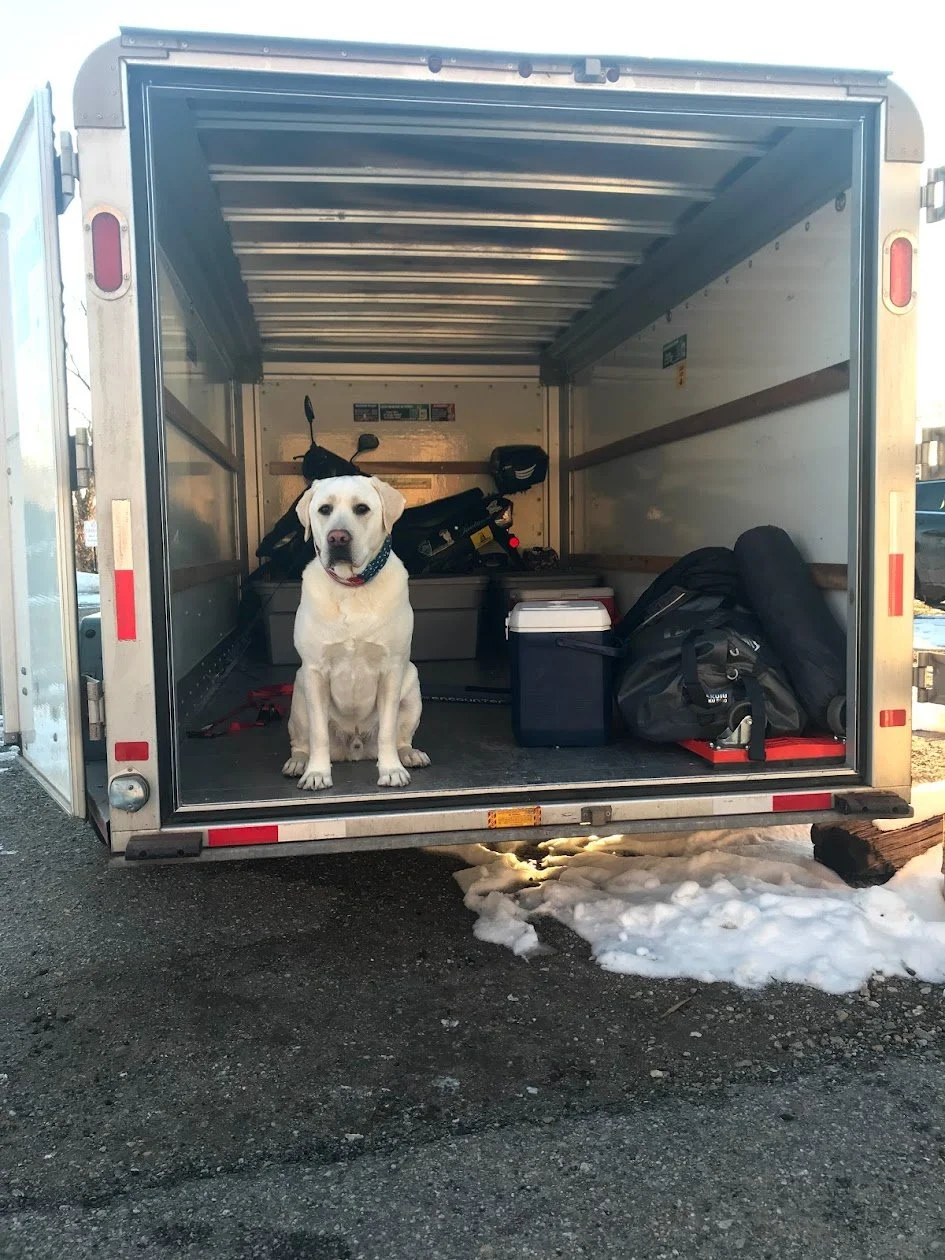
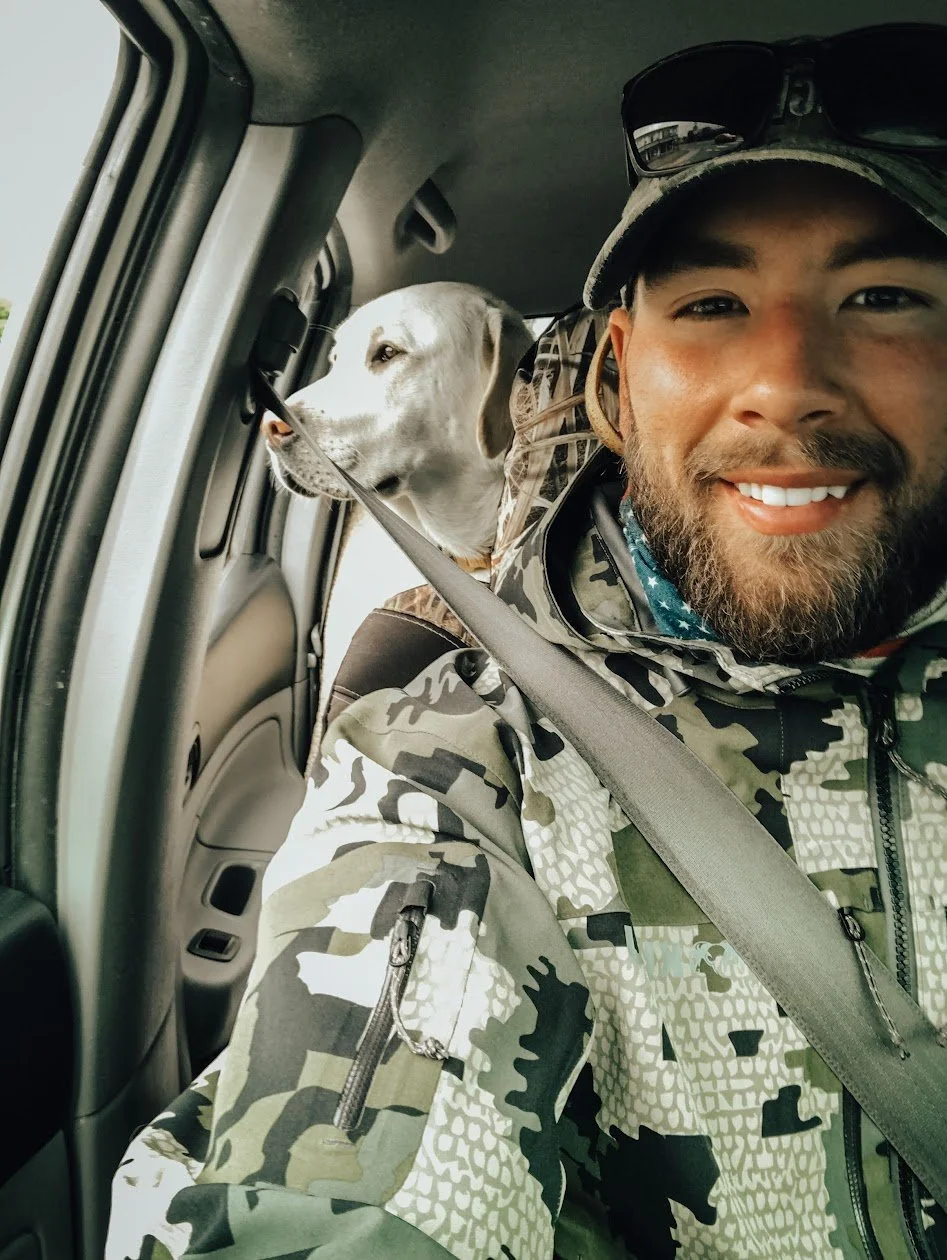
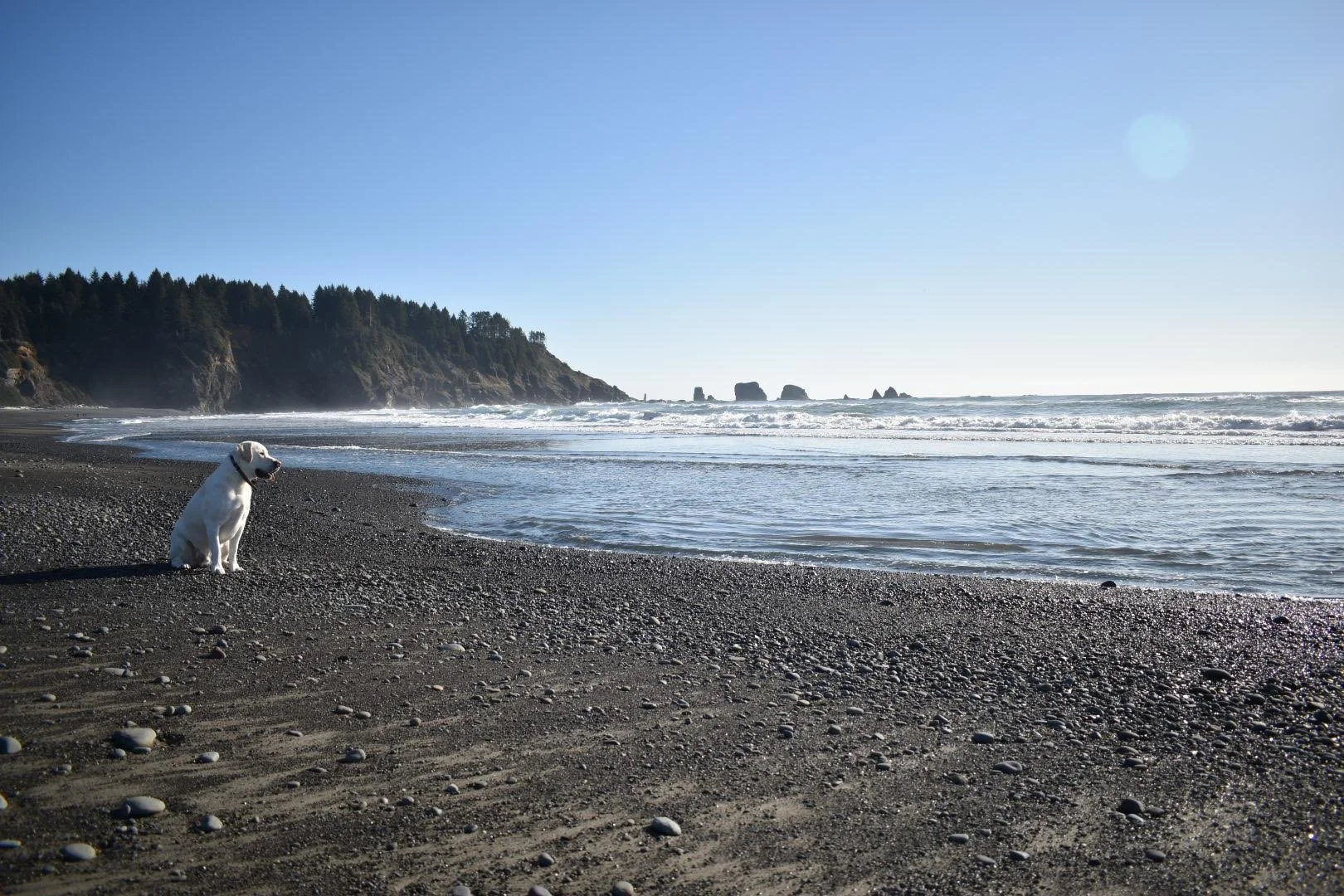
My parents helped me hook up a U-Haul trailer, cram every last possession I owned into the truck like we were playing a life-sized game of Tetris, and point ourselves northwest toward Washington. Clay rode shotgun the entire way, completely unaware that his future now involved rain, mud, and smelling like wet dog for roughly eight months out of the year.
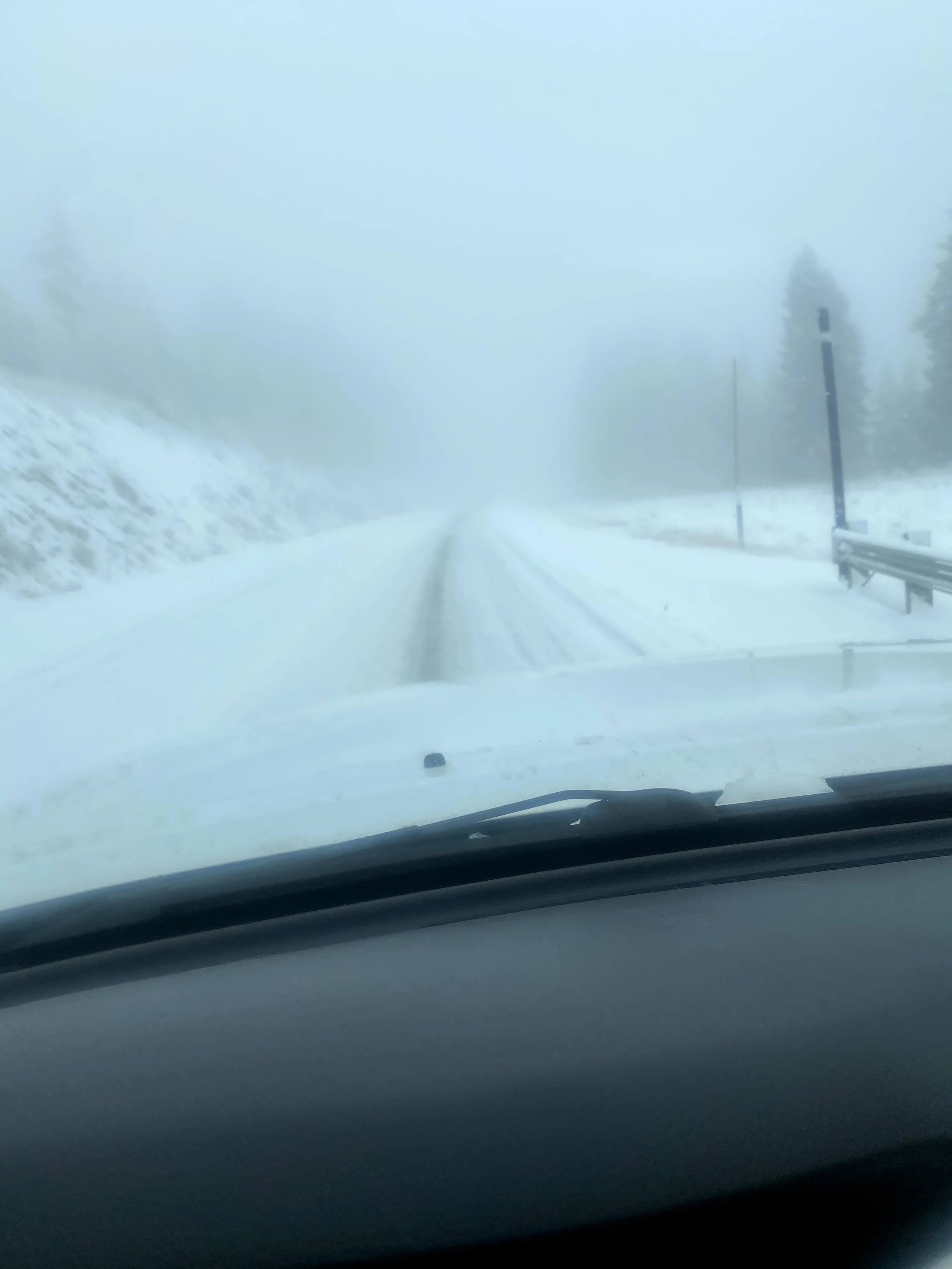
What followed felt less like a clean cross-country move and more like filming a low-budget survival documentary sponsored by gas station coffee and bad road conditions. We hit multiple blizzards on the drive north. One storm got bad enough that we had to shut it down in Boise after the roads turned into an ice rink with semi trucks. Then came the stretch that anyone who has driven through eastern Oregon in the winter immediately recognizes, the section of Interstate 84 between La Grande and Pendleton known as Deadman’s Pass. And to be clear, when a mountain pass is literally named Deadman’s Pass, that feels like the Department of Transportation politely trying to warn you to reconsider your plans.
Deadman’s Pass cuts through the Blue Mountains of northeastern Oregon and is notorious for brutal winter driving conditions. Steep grades, heavy snow, black ice, dense fog, and enough jackknifed semis over the years to make locals casually say things like, “Yeah, I avoid that road all winter if I can.”
We woke up that morning only to find ourselves parked and waiting for the interstate to reopen. When it finally did, traffic crawled forward at what felt like the speed of continental drift. Snow everywhere, semis inching downhill, white-knuckled steering wheels, windshield wipers fighting for their lives, and enough ice to make a person reevaluate every major life decision that brought them to that exact moment.
At one point, I honestly think Clay could have gotten out and walked to Washington faster than we were moving. But eventually, mile by mile, the landscape started changing. The mountains grew taller, the air got wetter, the rivers got bigger, and somewhere during that long drive into western Washington, it finally started to sink in that this was no longer just some temporary adventure or job interview story.
This was the beginning of an entirely new life.
Settling into the Rainforest
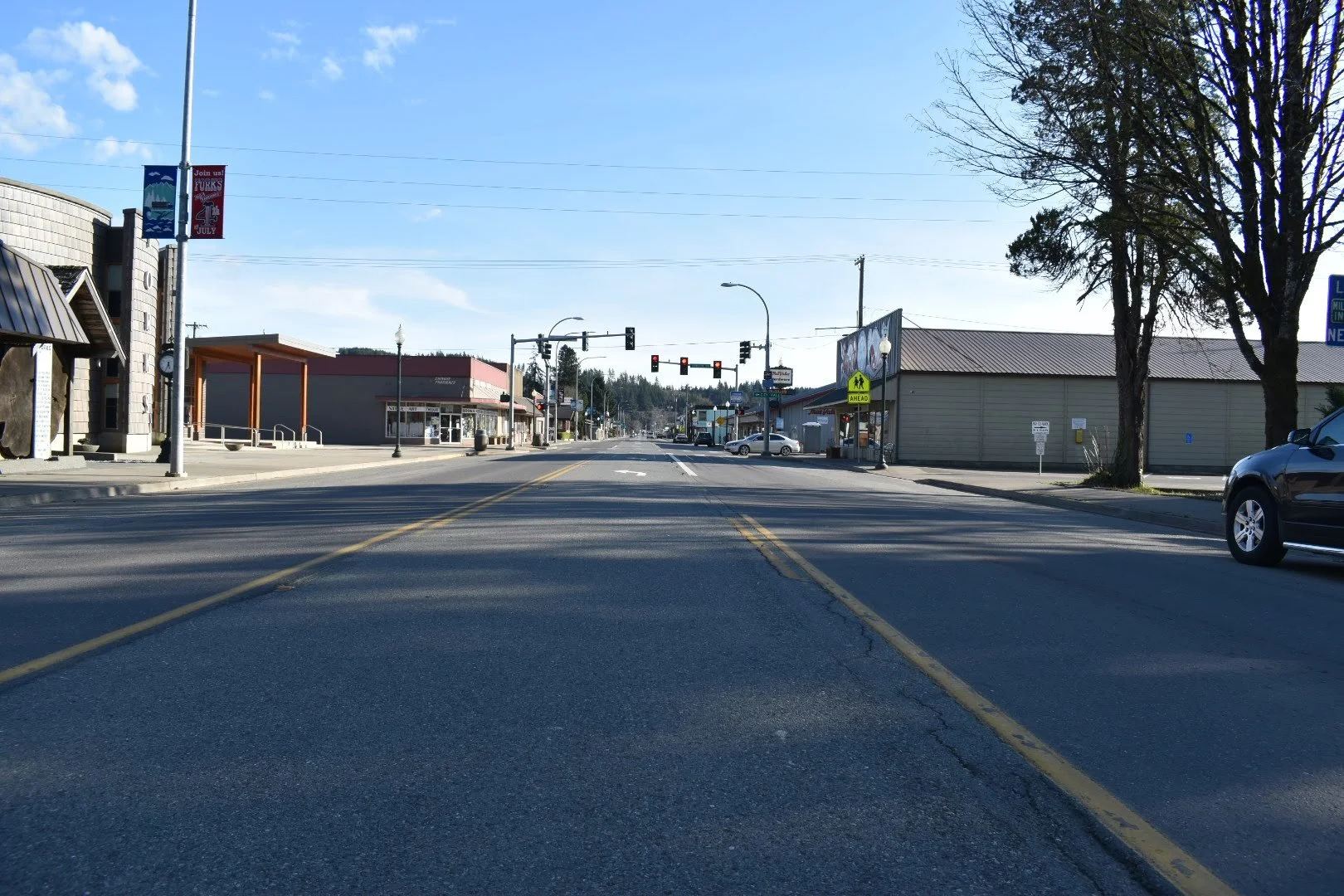
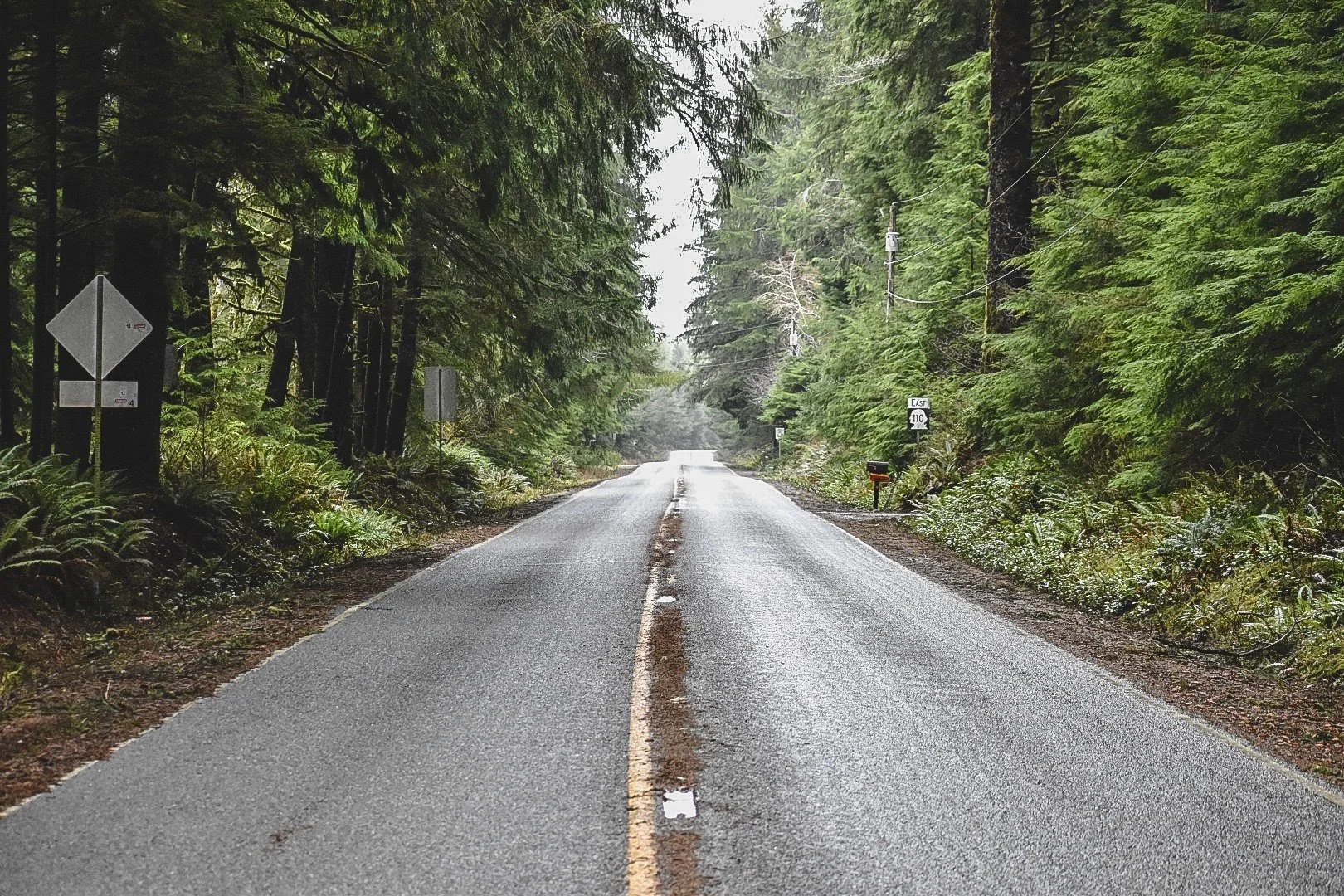
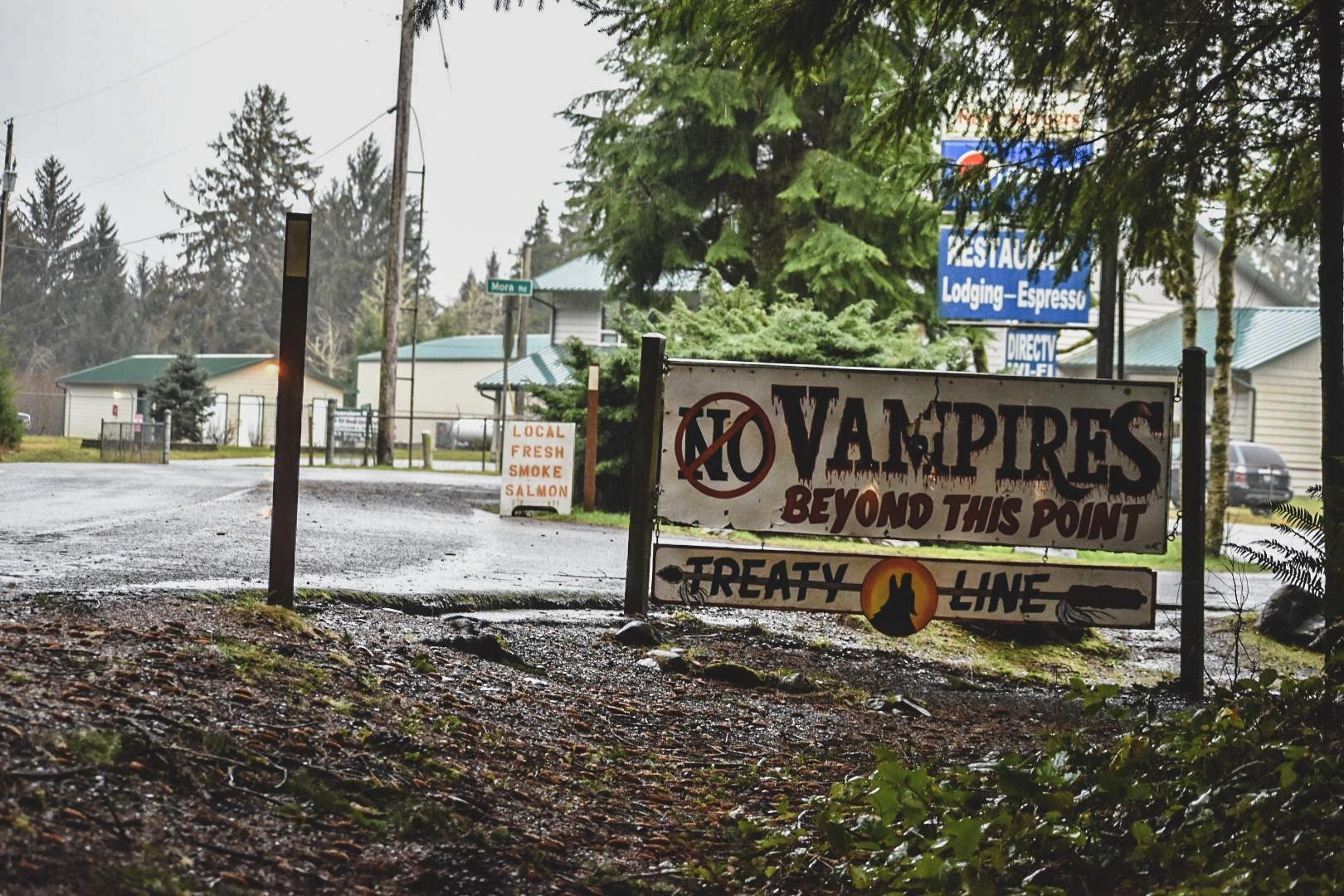
At first, Forks felt almost unreal to me. Coming from northern New Mexico, I had never seen a place so relentlessly green. Everything looked alive all the time. Ferns covered the forest floor, moss hung from trees like old ropes, and the rivers looked less like rivers and more like something pulled out of an old fly-fishing magazine somebody left on a coffee table in 1997.
As I started settling into Forks, life slowly began taking shape. One of the first things I had to do was get utilities and trash squared away, which led me into West Waste & Recycling.
That is where I met Tanya for the first time, long before either of us had any idea that three years later we would end up dating and eventually get engaged in 2025. At the time, it was just another stop while trying to figure out life in a tiny logging town on the edge of the Pacific. Funny how life works like that sometimes.
"Salmon People"
Most of my early time with the Quileute Tribe revolved around trying to get a fish habitat program off the ground. Which sounds exciting and noble until you realize that “starting a habitat program” often means spending a lot of time writing grants, chasing funding opportunities, attending meetings, building partnerships, and convincing people that restoration work matters long before anybody ever sees logs put into a river.
At times, it felt like trying to push a drift boat uphill. But slowly, piece by piece, things started coming together.
The work taught me far more than just fisheries science:
It taught me how deeply salmon are tied to identity, culture, and survival for coastal tribes like the Quileute people.
It taught me perspective that salmon are not just fish. They are history, food, ceremony, economy, and family.
The phrase “salmon people” is not just a catchy slogan for a tourism brochure. It is real life that entire generations have been shaped by those runs returning home from the Pacific.
That perspective changed the way I viewed habitat restoration forever. At the same time, I was also learning the culture of small-town western Washington. Forks was still very much a logging community then as it is now, rough around the edges, hardworking, stubborn, proud, and full of people who could probably rebuild a transmission in the rain without complaining once about it.
And speaking of rain, there was a lot of it, an almost suspicious amount of it.
The Next Chapter
Somewhere along the way, while chasing a fisheries career, I accidentally found places that would shape the rest of my life. And somewhere between restoration projects, rivers, breweries, and long drives with Clay riding shotgun, the foundation for Clay’s Drift slowly started forming without me even realizing it.
Because Along the Drift is becoming more than just stories from the road.
The storytelling will always be at the heart of it, the fishing trips, the rivers, the people, the towns, the breweries, the sideways Olympic Peninsula rain that somehow finds its way through every “waterproof” jacket ever made, and the moments that stay with you long after you leave. But the next chapter starts digging deeper into the rivers themselves.
The next Along the Drift piece will shift toward the Olympic Peninsula and the watersheds that make it one of the most unique fisheries landscapes in the country. We’ll get into salmon ecology, fish habitat restoration, water quality, and what actually goes into protecting rivers that entire communities and cultures depend on. There will still be fishing stories, questionable weather decisions, and at least one moment where somebody is standing knee deep in freezing water pretending they are “having fun.” Because once you spend enough time around those rivers, you realize the fishing is only part of the story. The rest lives in the rain, the habitat work, the small towns, the people fighting to protect those watersheds, and the breweries where everybody eventually ends up trying to dry out afterward.
So stay tuned. The Olympic Peninsula Blog and its entirety is next, and trust me, it gets a little wild.